Complete Guide to Traveling Korea in February: Weather, Pros and Cons, Lunar New Year Tips
February in Korea is winter, but it includes Seollal (Lunar New Year) — and that one holiday changes what’s open, how transport runs, and the atmosphere of the trip.
Below: actual February temperatures, pros and cons of visiting this month, and what to know about Seollal specifically before you book.
📋 Table of Contents
- February Weather in Korea
- Advantages of February Travel
- Complete Guide to Lunar New Year (Seollal)
- What to Pack for February Travel
- February Festivals
- Conclusion
🌡️ February Weather in Korea
Overall Weather Characteristics
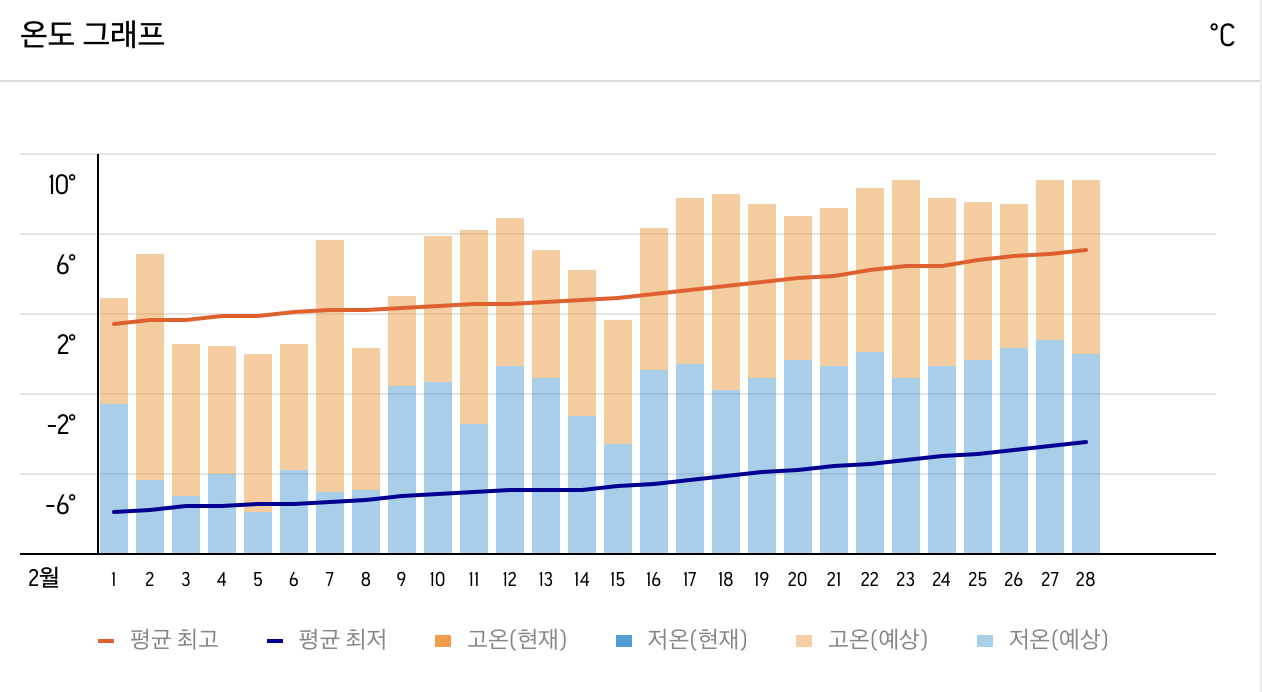
February is one of the coldest months in Korea.
Along with January, it’s the peak of winter, and due to the influence of cold continental high pressure, temperatures can sometimes drop below -10°C in the morning and evening. When the wind blows strongly, the perceived temperature drops even lower, making you feel the cold intensely during outdoor activities. February has many dry days, so it’s good to have moisturizing cream and lip balm.
- Average Temperature: Approximately -2°C ~ 5°C in Seoul
- Minimum Temperature: -10°C ~ -5°C (early morning hours)
- Maximum Temperature: 5°C ~ 10°C (daytime hours)
- Precipitation: Low (monthly average 20~30mm)
- Humidity: Low (dry weather)
Weather by Region
| Region | Average Temperature | Characteristics |
|---|---|---|
| Seoul | -2°C ~ 5°C | Cold but dry with many clear days |
| Busan | 2°C ~ 8°C | Warmer than Seoul but windy |
| Jeju Island | 5°C ~ 10°C | Warmest but frequent rain |
| Gangwon Province | -5°C ~ 2°C | Coldest with heavy snowfall |
What to Wear in February?
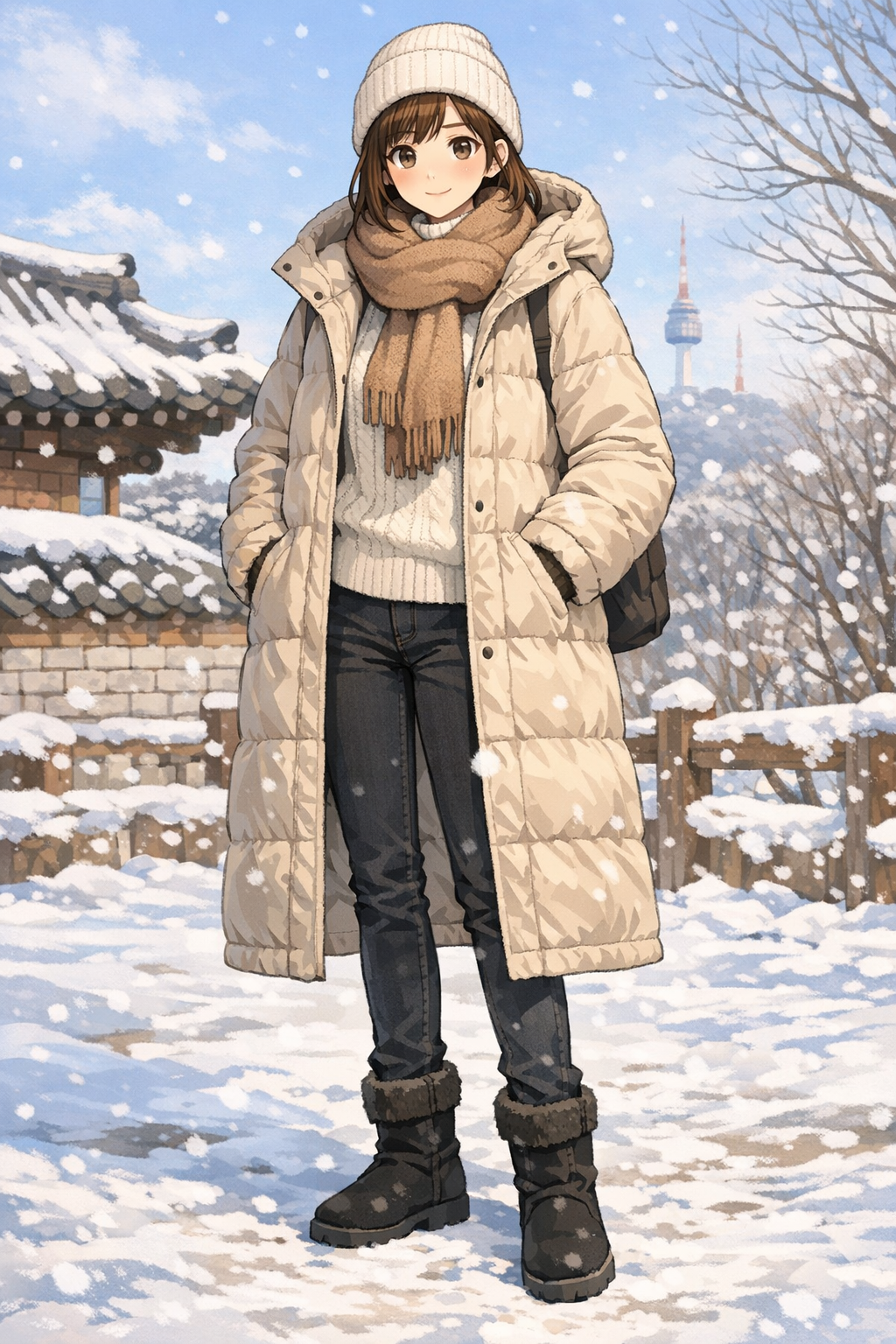
In February, it’s best to wear thick padding, thermal underwear, knitwear, hoodies, and thick pants - basically full winter gear.
Especially during morning/evening hours and cold wave warnings, hats, scarves, gloves, warm socks, and ear muffs are essential winter accessories.
Also, since February often has snow or icy roads, it’s important to choose shoes with non-slip soles. Avoid shoes that are too slippery, and if necessary, prepare anti-slip pads!
Indoors are very warm, so it’s good to layer outerwear so you can easily take it off.
✅ Advantages of February Travel
1. 🎿 Enjoy Winter Sports
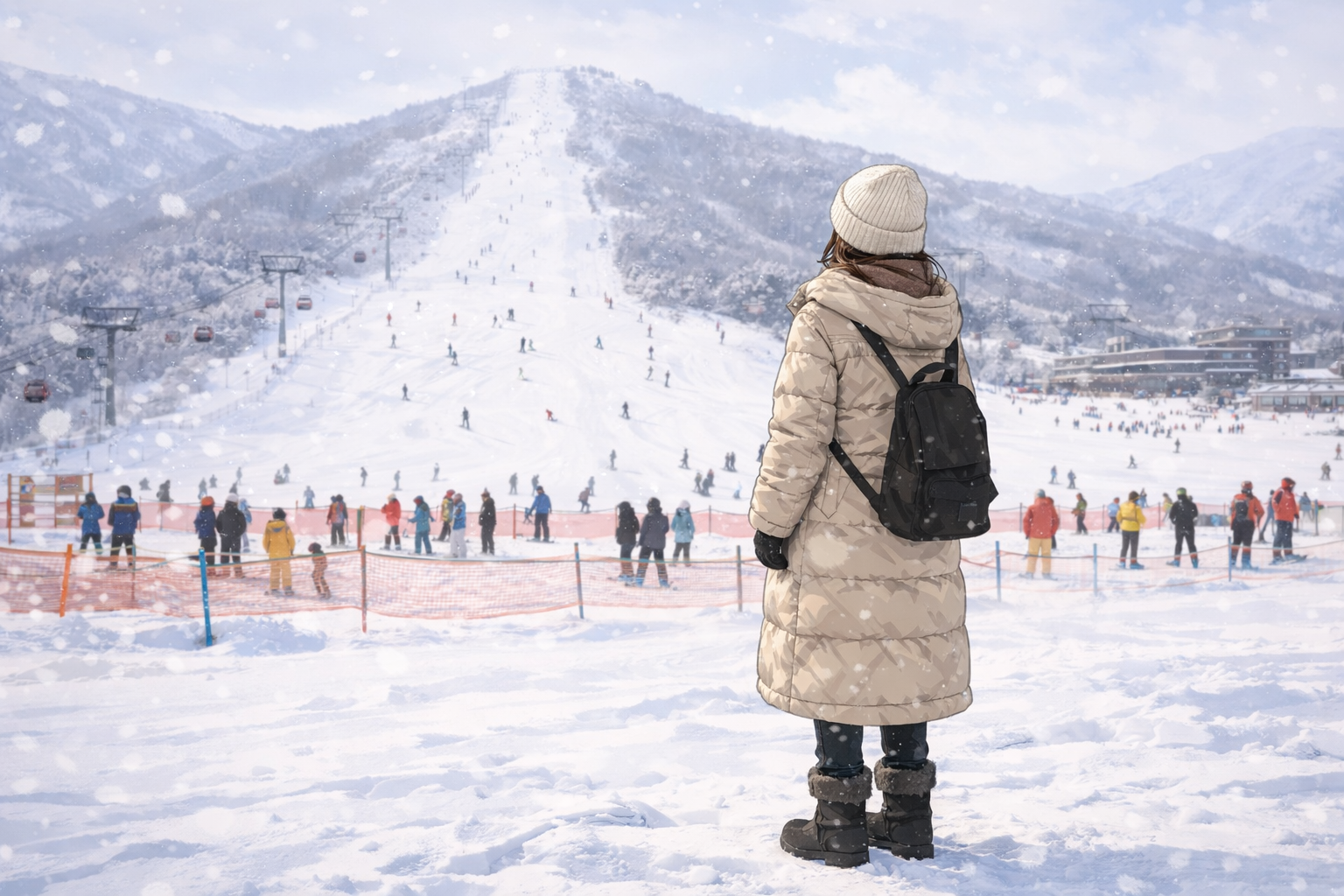
February is the optimal time to enjoy skiing and snowboarding. Gangwon Province has many famous ski resorts like Yongpyong, Alpensia, and Pyeongchang, making it particularly popular for winter sports. Gyeonggi Province also has ski resorts relatively close to Seoul like Bears Town and Jisan Forest Resort, making them easily accessible. Additionally, in mountainous areas like Seoraksan, you can enjoy naturally accumulated snow scenery and truly feel the winter atmosphere.
2. 🎋 Experience Lunar New Year Traditional Culture

In February, various Lunar New Year folk experience events and festivals are held at traditional hanok houses, folk villages, and palaces (especially Unhyeongung).
Events like free hanbok experiences, New Year’s bowing, yutnori (traditional board game), and writing wish papers are available for foreigners to participate in at various locations.
Not only in Seoul but also at major museums and cultural spaces nationwide, you can easily find special Lunar New Year experience programs.
3. 💰 Affordable Travel Costs
February is off-season, so travel costs are cheaper.
February is generally a time when you can save on travel expenses. During most of the period, airfare prices are 10~30% cheaper than summer/autumn peak season, and hotel or pension accommodation fees also drop overall due to the off-season. Tourist attractions are also less crowded, so you can travel leisurely without the crowds.
However, during the Lunar New Year holiday, many Koreans travel abroad, so airfare prices can surge around this time. If your schedule includes the Lunar New Year holiday, be sure to book in advance and check price fluctuations.
4. 🍜 Enjoy Winter Food

The cold weather in February brings to mind warm winter foods. When you get tired from the cold while being active outside, you can warm up with hot soup dishes like budae jjigae, haejangguk, and sundubu jjigae at warm restaurants or street stalls. The spicy and hearty soups warm your insides, making them beloved representative Korean winter foods.
Also, simple snacks you can find on the streets in winter are also a treat. Golden-brown hotteok, savory bungeoppang, and sweet roasted sweet potatoes are often seen as you walk the streets, and there’s great joy in eating them while holding them in your hands.
Especially in February in Korea, winter fruits like tangerines and apples are in season, making them sweeter and more delicious. Buying a bag of fresh tangerines to eat as a snack at your accommodation or while traveling is also a small happiness during winter travel.
🎋 Complete Guide to Lunar New Year (Seollal)
Lunar New Year Holiday Period

The 2026 Lunar New Year holiday runs from February 16 (Monday) to February 18 (Wednesday), and including the preceding weekend (Saturday and Sunday), it spans a total of 5 days. Traffic congestion is very severe nationwide before and after Lunar New Year, so if you’re planning a trip, be sure to plan your schedule with plenty of time and book transportation in advance. Also, during the Lunar New Year holiday period, many tourist attractions and shops may not operate normally, so it’s necessary to check in advance whether the places you want to visit are open. Traditional events and festivals are mainly held intensively on Lunar New Year day or during the holiday period, so if you check the information in advance, you can enjoy the holiday atmosphere more richly.
✅ Travel Tips for Lunar New Year Period
Book in Advance
- Book flights, train tickets, and accommodations in advance
- Recommended to start booking 2 weeks before Lunar New Year
Use Public Transportation
- Highways are very congested, so trains and buses are recommended
- KTX and SRT reservations are essential
Travel Before/After Lunar New Year
- Plan your trip before or after Lunar New Year rather than on the day itself
- Most shops are closed on Lunar New Year day
Experience Traditional Culture
- Try on hanbok, experience traditional games
- Taste traditional foods
🎒 What to Pack for February Travel
Essential Items
Clothing
- ✅ Padding/Down Jacket: Essential!
- ✅ Thermal Underwear: For warmth
- ✅ Scarf, Gloves, Hat: Improves perceived temperature
- ✅ Winter Boots: Shoes with anti-slip function
- ✅ Socks: Multiple pairs of thick socks
Other Essentials
- ✅ Moisturizing Cream, Lip Balm: For dry weather
- ✅ Hand Warmers: For hand and foot warmth
- ✅ Umbrella: Essential for Jeju Island travel
- ✅ Sunglasses: For snow reflection
- ✅ Thermos: For drinking warm water
Optional Items
- 📱 Smartphone Insulation Case: Battery drains quickly in cold weather
- 🧴 Moisturizer: Dry due to indoor heating
- 🧥 Easy-to-Remove Outerwear: Large temperature difference between indoors and outdoors
- 🎒 Bag: Can be uncomfortable when wearing thick clothes
🎉 February Festivals
As mentioned earlier, February is a time when events themed around winter and Lunar New Year are held throughout the country.
I’ll briefly introduce two representative festivals held in Seoul and Gangwon Province that foreign travelers can refer to if they match their schedule.
2026 Seoul Unhyeongung Seollal Event
During the Lunar New Year holiday period, a traditional Seollal event will be held at Unhyeongung in Seoul.
During this period, traditional game experiences, tteokguk (rice cake soup) sharing, Seollal traditional performances, as well as simple craft experiences like making talismans or masks are held together.
Rather than a large festival for tourists, it’s better to think of it as an event where you can feel the Lunar New Year atmosphere and lightly experience Korean traditional culture.
Daegwallyeong Snow Flower Festival (2026.02.13 ~ 2026.02.22)

Official Website: https://www.snowfestival.net
If you want to truly feel the winter atmosphere, the snow flower festival held in Daegwallyeong, Gangwon Province, can also be an option.
It’s a festival centered around snow sculpture exhibitions and winter experience programs, suitable for those who want to experience Korea’s winter scenery and the atmosphere of snowy regions together.
It’s a bit far for a day trip from Seoul, but if you have time in your schedule, it’s a festival worth considering as an experience only possible during the winter season.
🙋 Conclusion
That’s the practical picture for a February trip — winter weather plus Seollal logistics.
February is cold, but it’s a special time to experience the charm of winter and traditional culture.
If your dates overlap with the Seollal long weekend, read the Seollal guide next — that’s where the real planning decisions are.
📌 Related Posts
- 👉 Complete Guide to Korea’s Seollal (Lunar New Year): Holiday, Transport & Tips
- 👉 Monthly Korea Travel Outfit Guide: Weather, Tips & Style by Month (Jan–Dec)
- 👉 Is Korea Really Safe for Travel? Complete Guide to Tourism Safety in Korea
This post was written as of January 2026. Lunar New Year dates and weather information may change each year, so please check the latest information before traveling.